How to Choose a Solar Kit for Small Off-Grid Solar Systems: Caravans and Beyond
Published: July 31, 2024
Introduction
For those considering solar power for small off-grid setups like caravans, boats, or cabins, LUX Solar offers guidance through their "Power to be Free" initiative. Selecting the right solar kit can be challenging with numerous options available, but two primary methods can simplify the decision: maximizing roof space with the largest possible panels, or calculating power requirements based on intended appliances.
Method 1: Maximize Your Roof Space with the Largest Panels
Measure Your Roof Space
Begin by measuring your roof or installation area dimensions, including length and width. Account for obstructions like vents, air conditioners, or skylights that might limit panel placement.
Choose the Largest Panels That Fit
Once you have your measurements, look for solar panels that fit within these dimensions. Generally, larger panels will generate more power, so maximizing the size of the panels within your roof space can give you a better overall energy yield.
LUX Solar provides a Roof Solar Maximizer Tool featuring drag-and-drop functionality to visualize different panel layouts while avoiding obstacles like vents and antennas.
Consider Panel Efficiency
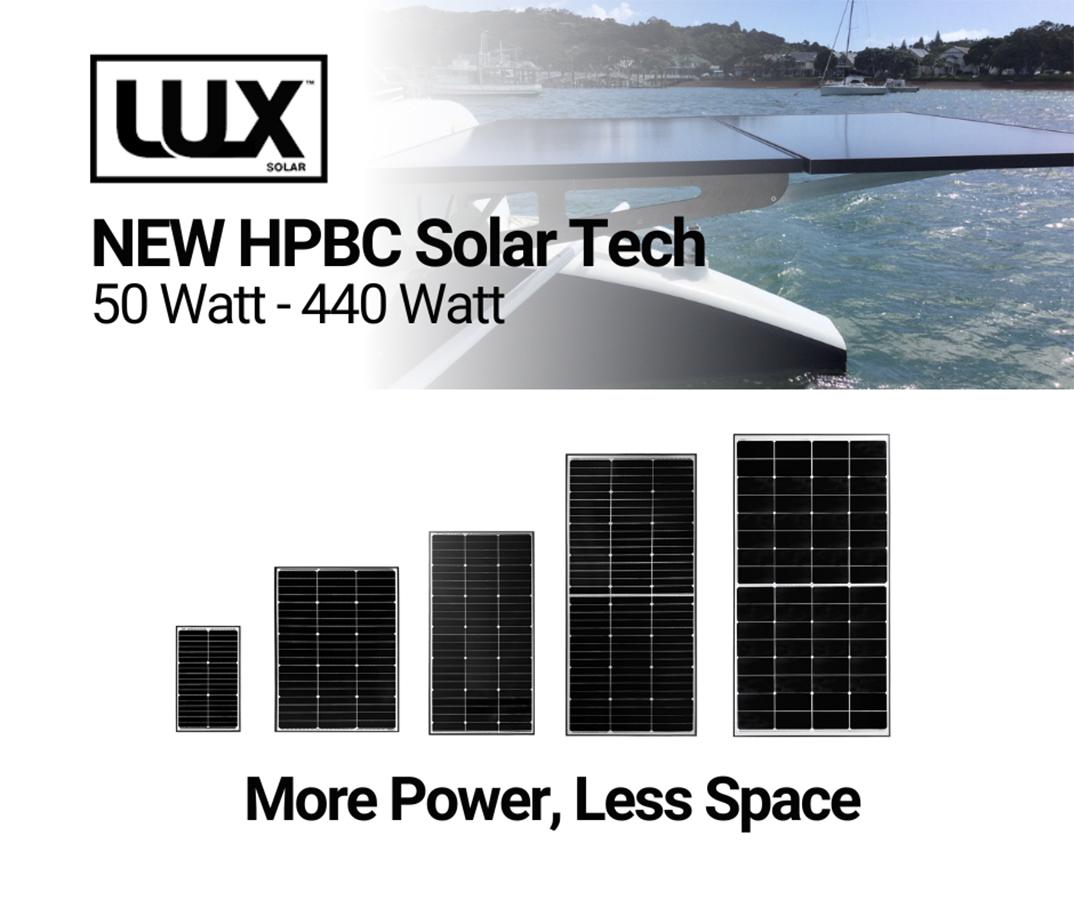
Higher-efficiency panels produce more power per square meter when roof space is limited. LUX Solar continuously upgrades its panel range to provide commercially available high-efficiency options.
Installation
Ensure proper mounting hardware and follow manufacturer guidelines for DIY installation. LUX Solar kits include suitable mounting hardware and instruction manuals, though professional installation may be preferable for those uncomfortable with DIY approaches.
Method 2: Calculate Power Requirements Based on Appliances
List Your Appliances
Create a comprehensive list of all devices and appliances you plan to operate through your solar system, including lights, refrigerators, televisions, and laptops.
Determine Power Consumption
Check the power consumption of each appliance. This information is usually found online, on the appliance's label, or in the user manual and is measured in watts (W).
Examples include refrigerators using approximately 100 watts and laptops consuming around 50 watts.
Calculate Daily Usage
Multiply each appliance's wattage by daily usage hours. For instance, a 100-watt refrigerator operating 24 hours consumes 2,400 watt-hours or 2.4 kilowatt-hours daily. It's wise to add a buffer to your calculations to account for inefficiencies and unexpected power use. A good rule of thumb is to add about 20% to your total power requirement.
Select a solar kit with sufficient panels and battery storage based on daily consumption. For 3 kWh daily consumption, choose panels capable of producing at least 3 kWh daily, plus 3 kWh battery storage for cloudy periods and nighttime use.
LUX Solar offers a Solar Calculator Tool that determines minimum solar panel wattage and battery storage requirements based on entered appliances.
Final Thoughts
Selecting an appropriate solar kit for off-grid needs enhances experiences whether powering caravans or sheds. By either maximizing panel size within available roof space or calculating specific power needs, users can ensure efficient off-grid solar system operation.