How to Reduce Your Generator Dependency with Solar and Batteries
Introduction
Running a generator as your primary power source is getting expensive -- and risky given fuel price volatility. A properly designed solar-battery system can dramatically reduce generator runtime by 70-90%, potentially eliminating it entirely for homes, farm buildings, and bach properties.
Four Essential Components
The system requires:
- Solar panels -- North-facing arrays deliver approximately 4 peak sun hours in winter and 6+ hours in summer across New Zealand
- MPPT charge controller -- Victron SmartSolar controllers are recommended for efficient voltage conversion
- Battery bank -- Lithium LiFePO4 batteries provide 80%+ usable capacity versus 50% for lead-acid, with 10+ year lifespans
- Inverter/charger -- Converts DC to 230V AC while enabling generator charging during poor weather periods
Sizing Methodology
Two critical measurements determine system specifications:
- Peak power (kW) -- Maximum simultaneous load; sizes the inverter
- Daily energy (kWh) -- Total consumption; sizes panels and batteries
A 5kW inverter doesn't require 5kW of solar panels. An 8kWh daily requirement might need only 2-3kW of panels, as they simply need sufficient sunlight hours to charge batteries.
Three System Configurations
Small Systems (3-8kWh/day)
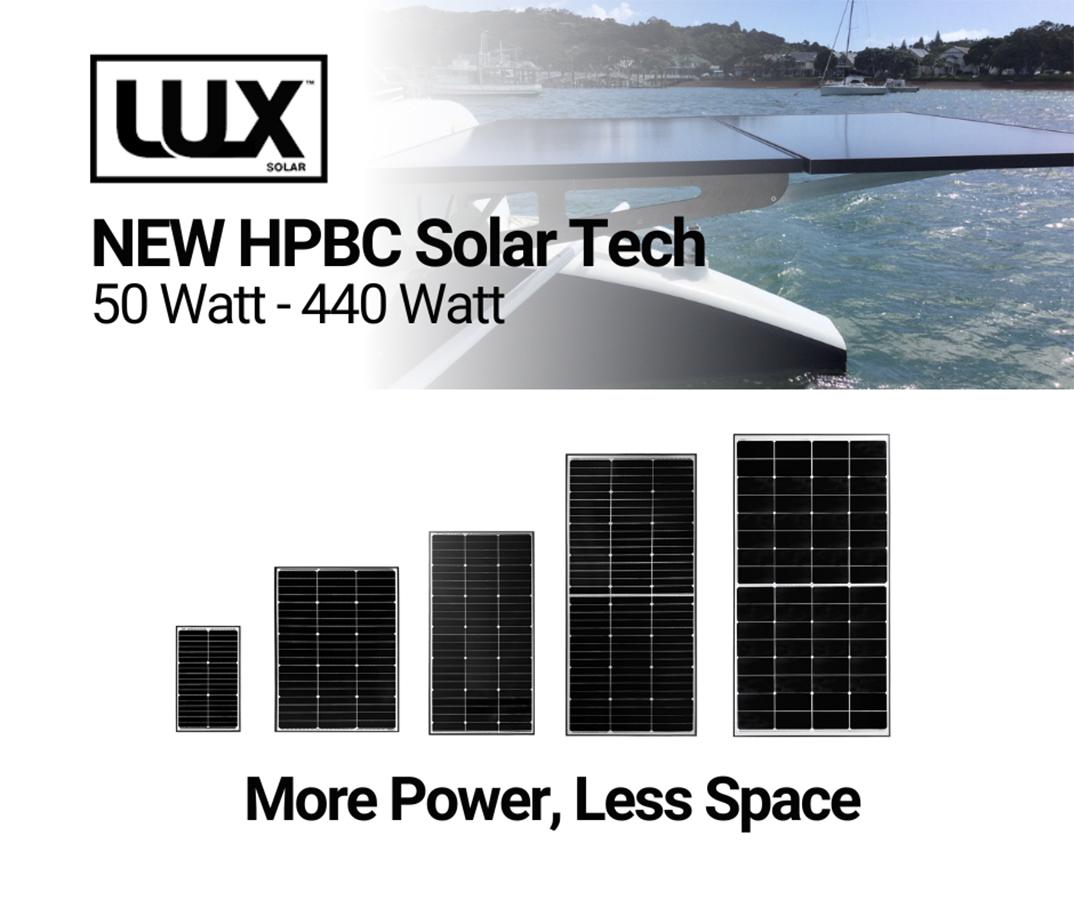
The Victron EasySolar-II GX 48/5000 combines inverter, MPPT controller, and monitoring. Pair with 2x PylonTech US5000B batteries (9.6kWh total) and 4-6x 470W panels. This supports refrigeration, LED lighting, laptops, and Starlink with minimal generator use.
Medium Systems (8-15kWh/day)
Upgrade to Victron Multi RS Solar 48/6000, which includes ground fault protection for permanent installations. Add 15+ kWh battery storage (BYD or PylonTech) and 8-12x 470W panels. The Cerbo GX monitoring unit can divert excess solar to water heating at 95% battery charge.
Large Systems (15-30kWh/day)
Victron Quattro inverters in parallel or three-phase configuration handle serious loads including induction cooktops and workshop equipment. Expect 40+ kWh battery capacity and 15-20kW solar arrays. Generators transition to genuine backup status rather than daily necessity.
Generator Role as Backup
Keeping a generator remains practical for New Zealand winters. Victron inverter/chargers automatically accept generator input and charge batteries without manual intervention.
Key recommendations include:
- Use pure sine wave generators (Honda brands prove reliable)
- Victron units can limit input current to prevent small generator overloading
- Manual-start generators benefit from Cerbo GX monitoring for remote battery status checking
Design Tools
The AnyKit Solar Design Tool is a free online configurator providing complete system specifications including cable sizing, fuse selection, and wiring diagrams in approximately five minutes.
Key Takeaway
Proper solar-battery system design can substantially reduce or eliminate generator dependency while providing cost savings and energy independence for off-grid New Zealand properties.